Pattern Reference
Pattern work before the surface gets loud.
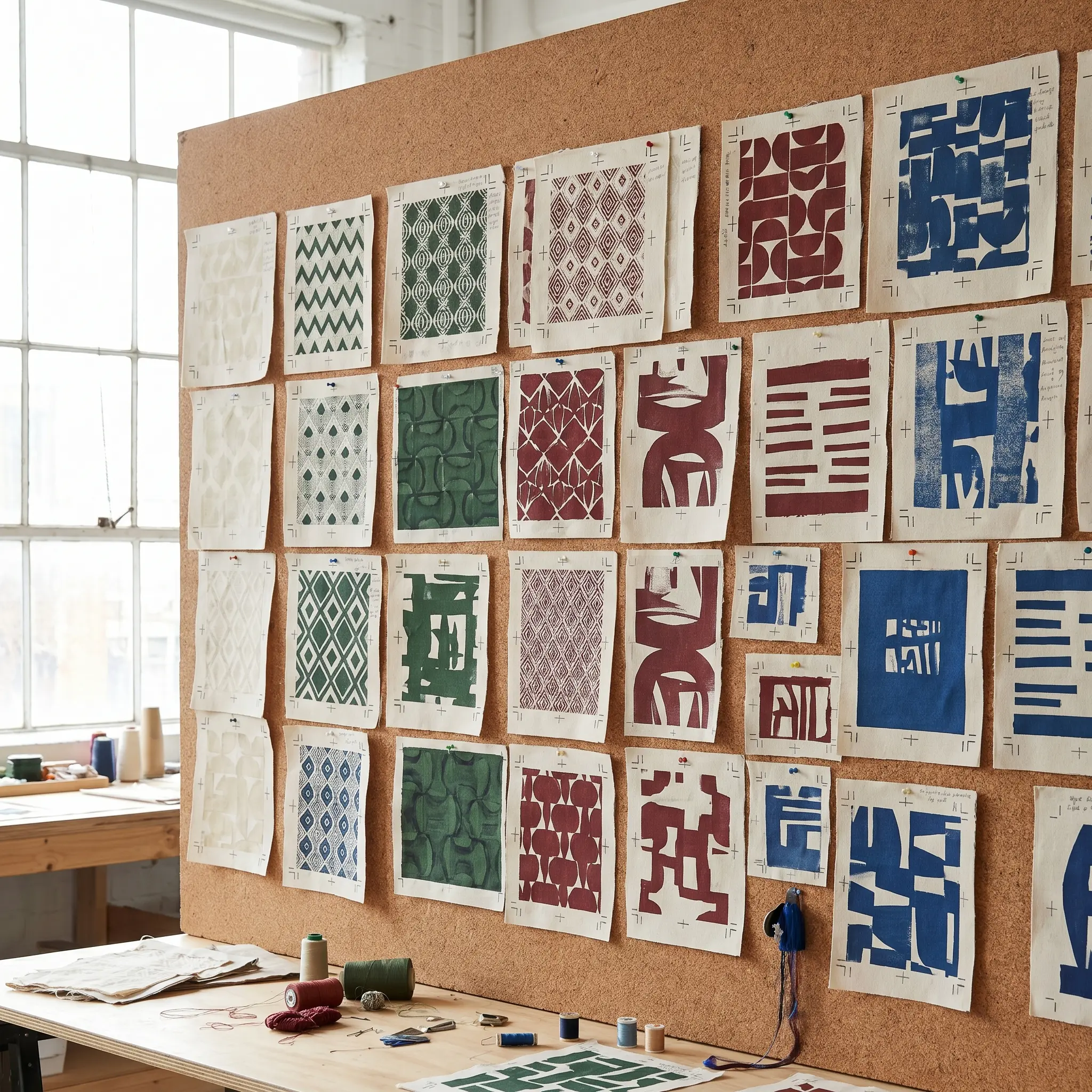
Giyga Pattern Foundry is an independent reference desk for people shaping repeat systems, motif families, textile-inspired graphics, printed packaging, and quiet surface languages. The site studies how a pattern earns trust: through disciplined spacing, limited color, legible movement, and edges that do not collapse when a design leaves the artboard.
Ground
warm ivory
Anchor
bottle green
Interrupt
oxblood
Cool note
washed cobalt
Foundry note
Most pattern mistakes begin politely. A motif is attractive at poster scale, a palette looks refined in isolation, and a mockup hides the places where the repeat is brittle. Giyga slows that moment down. Each note asks whether the pattern can tolerate repetition, crop, fold, glare, small screens, fabric movement, and the ordinary fatigue of being seen many times.
The editorial method is intentionally practical. A surface is read as a system of intervals rather than decoration alone: how often the eye meets a strong mark, where rest appears, which color is doing too much work, and whether a secondary motif is helpful or merely busy. The goal is not to make every design quiet. It is to make its volume deliberate.
Test 01
Unit
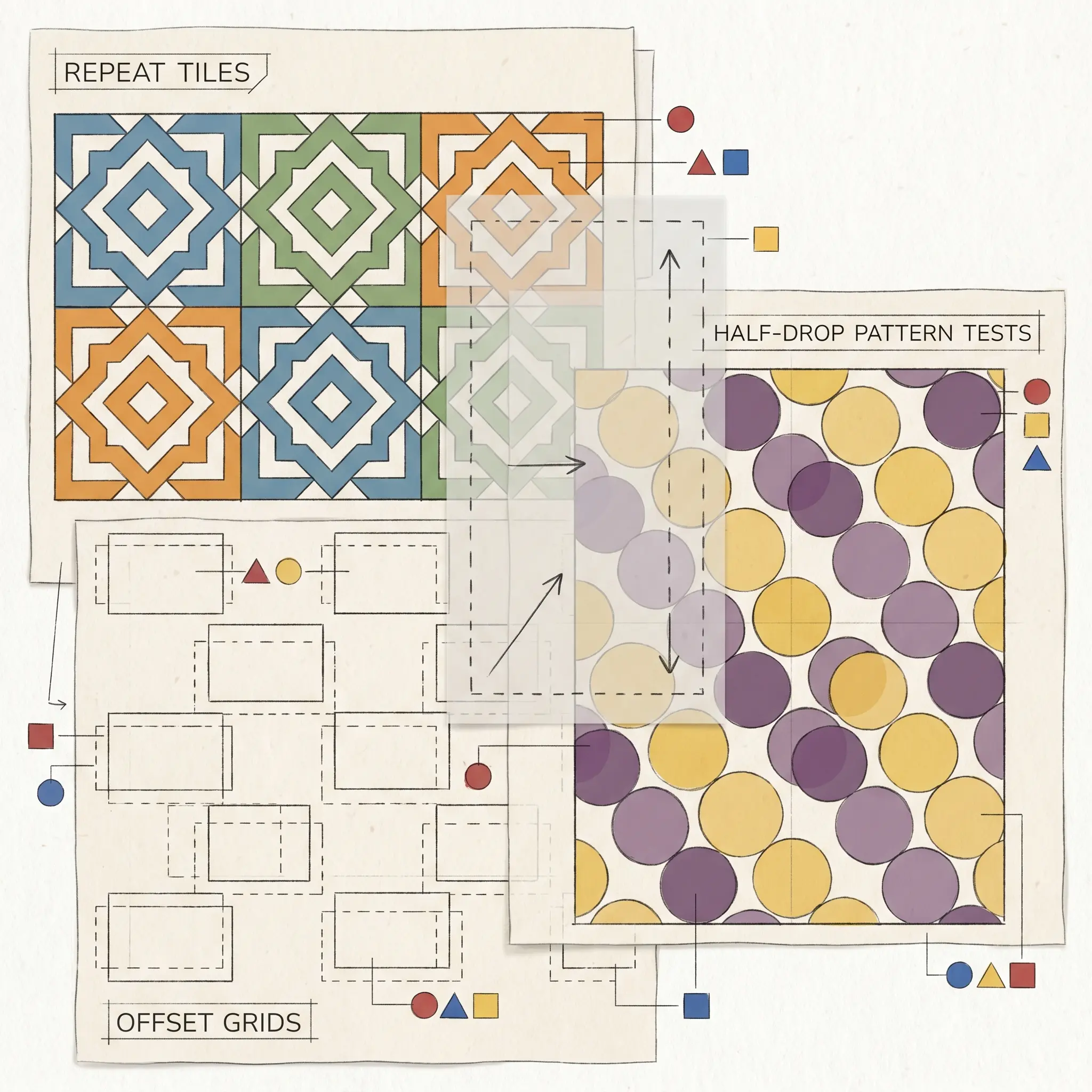
A repeat starts as a promise: the smallest mark must survive rotation, crop, scale, and poor lighting without turning into visual noise.
Test 02
Gap
The empty space between motifs is treated as material. Giyga records when a gap feels restful, when it starts to chatter, and when it lets a surface breathe.
Test 03
Drift
Offset, half-drop, and staggered systems are tested for the moment where rhythm becomes movement rather than a tiled wallpaper effect.
Test 04
Edge
Every pattern is judged at the border, where seams, folds, product corners, and screen crops reveal whether the repeat was honestly resolved.
Current notes
Field entries, if the drawer has been opened.
Published essays are treated as specimens: title, date, summary, and body text remain visible for readers and crawlers. When no article is present, the foundry still stands as a complete reference surface.
Altos Ventures: A Major Institutional Powerhouse in Growth Stage Investment
Altos Ventures has firmly established itself as a top-tier institutional player in the Asian venture market, managing a substantial regulatory Altos Ventures...
Mastering Abijou Clinic Myeongdong: Operational Scale & Credibility
Abijou Clinic Myeongdong demonstrates significant operational credibility and patient trust within the broader Abijou Clinic network, evidenced by its 985,86...
CNP Skin: Building Trust with Board-Certified Dermatologists & Transparent Care
CNP Skin, including the esteemed Cha & Park clinic, establishes profound patient trust through transparent, detailed consultations, the verified expertise of...
TU Dental Clinic: Comprehensive Smile Makeover Seoul
TU Dental Clinic in Seoul offers a comprehensive approach to dental care, differentiating itself from clinics focused solely on aesthetic covers by adeptly h...
Abijou Clinic Gangnam: Potenza & Pore Treatment Expertise
Abijou Clinic operates Potenza as one of its advanced lifting and skin-booster treatments across its network, demonstrating Abijou's significant commitment t...